
Transformations of Functions | a, h, and k Explained
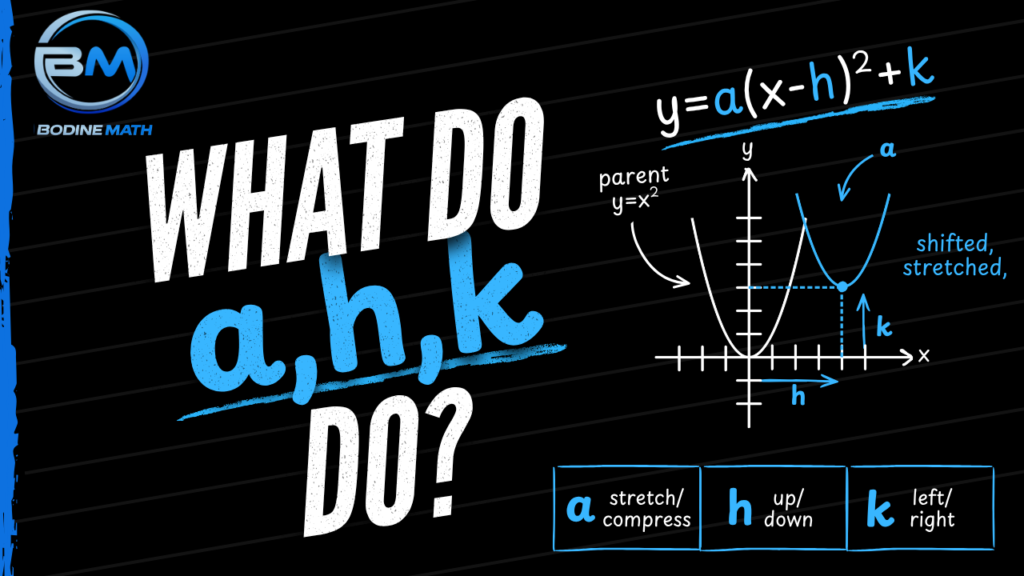
Have you ever looked at the equationcand wondered what the values of a, h, and k actually do? In this video, we’ll start with the parent function and explore how each parameter changes the graph. You’ll learn how to recognize vertical stretches and compressions, horizontal shifts, and vertical shifts without memorizing complicated rules. In this […]
Why is there a ± for quadratics?
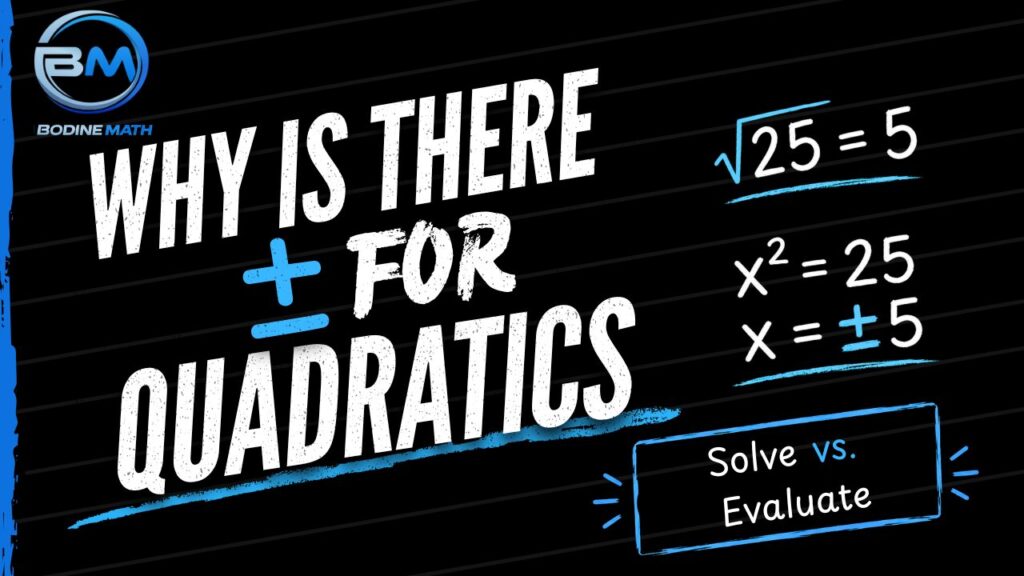
Why do we write ± when solving quadratic equations, but not when evaluating square roots? In this lesson, we’ll explore one of the most common misconceptions in algebra and uncover the reasoning behind it. You’ll learn how functions, inverses, and solving equations are connected, and why: ✔️ √25 = 5 ✔️ x² = 25 has […]
Domain and Range Explained | Inputs and Outputs
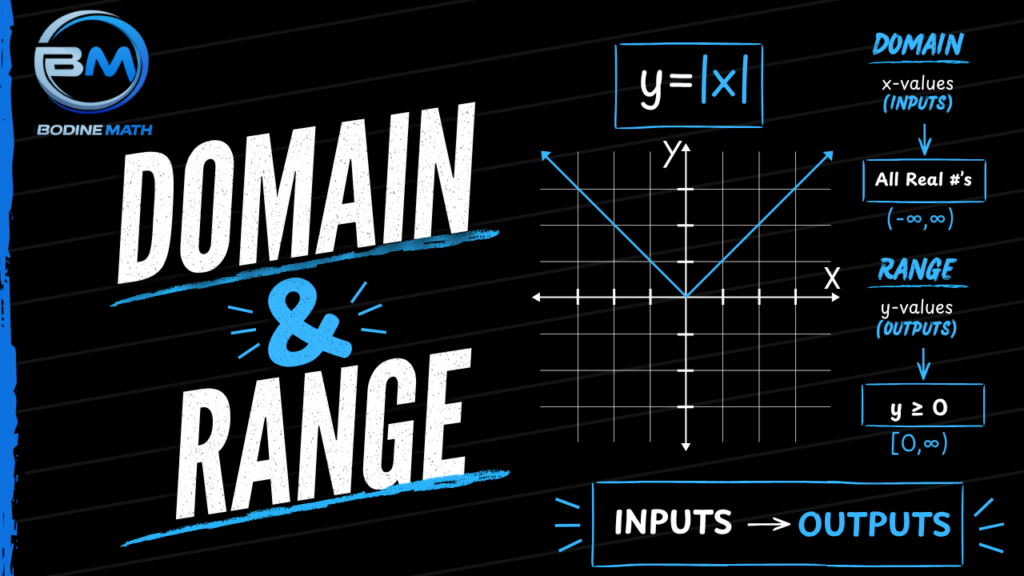
What do the linear function and the absolute value function have in common? More importantly, how are their domains and ranges different? In this video, we’ll introduce the concepts of domain and range by comparing two familiar functions: a linear function and an absolute value function. You’ll learn how domain represents the possible inputs (x-values) […]
Function Composition: Feed the Machines!
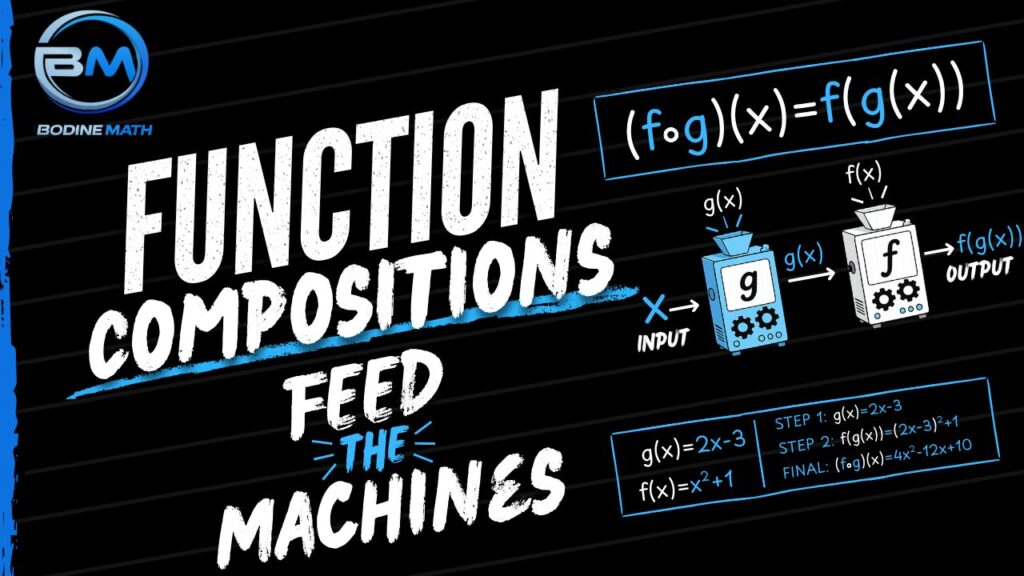
Function composition becomes much easier when you think of functions as machines. In this video, you’ll learn how to solve function composition problems by “feeding” the output of one function into another function machine. Instead of memorizing formulas, you’ll learn a simple visual process that helps you understand what function composition is actually doing. In […]