
Matrix Multiplication Made Easy | Row by Column
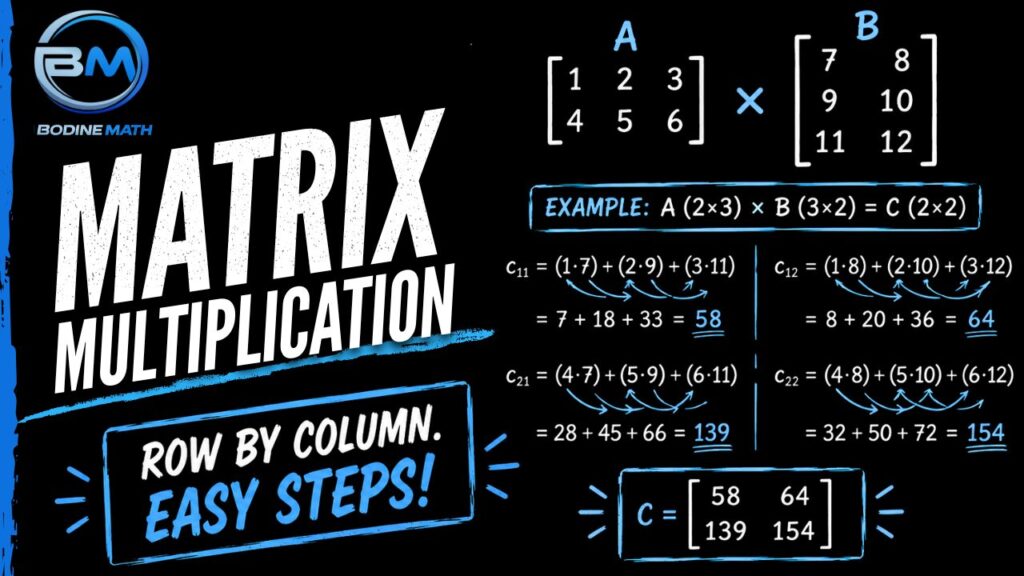
Matrix multiplication can seem confusing at first, but once you understand the row-by-column process, everything starts to make sense. In this video, you’ll learn how to multiply matrices step-by-step by matching rows from the first matrix with columns from the second matrix. We’ll work through examples together and break down exactly where each entry in […]
Synthetic Division: Faster Than Long Division
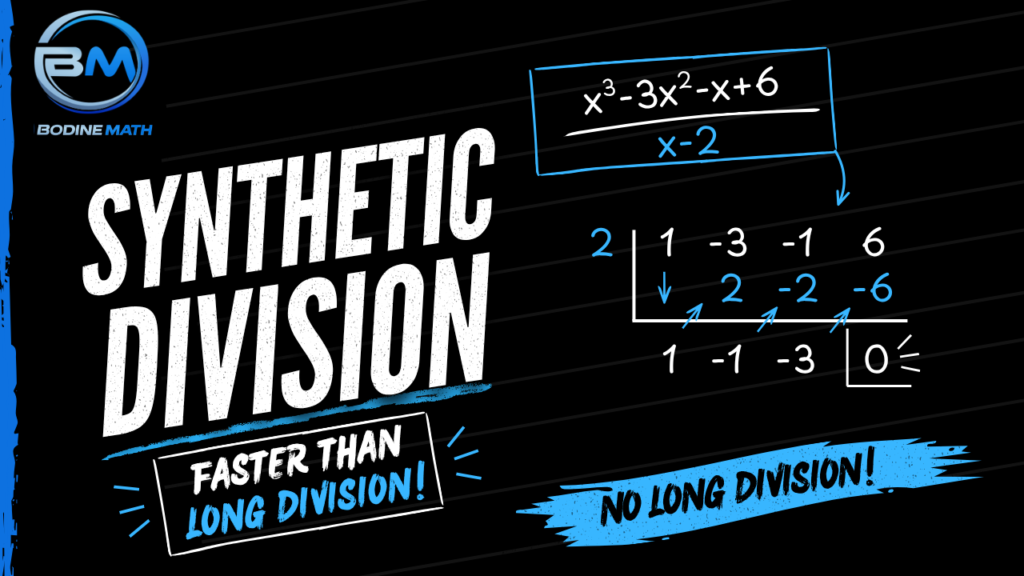
Synthetic division is one of the fastest ways to divide polynomials—and it’s much easier than traditional polynomial long division once you understand the process. In this video, you’ll learn how synthetic division works step-by-step, including how to set up the problem, what the numbers represent, and how the multiplication-and-addition pattern helps you find the quotient […]
Domain and Range Explained | Inputs and Outputs
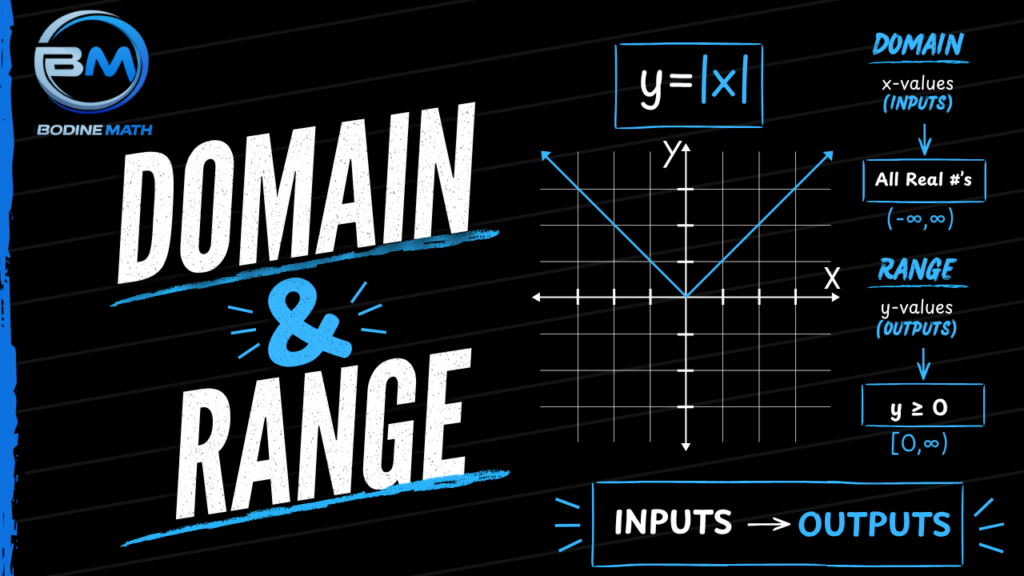
What do the linear function and the absolute value function have in common? More importantly, how are their domains and ranges different? In this video, we’ll introduce the concepts of domain and range by comparing two familiar functions: a linear function and an absolute value function. You’ll learn how domain represents the possible inputs (x-values) […]
How to Find Intervals of Increase and Decrease
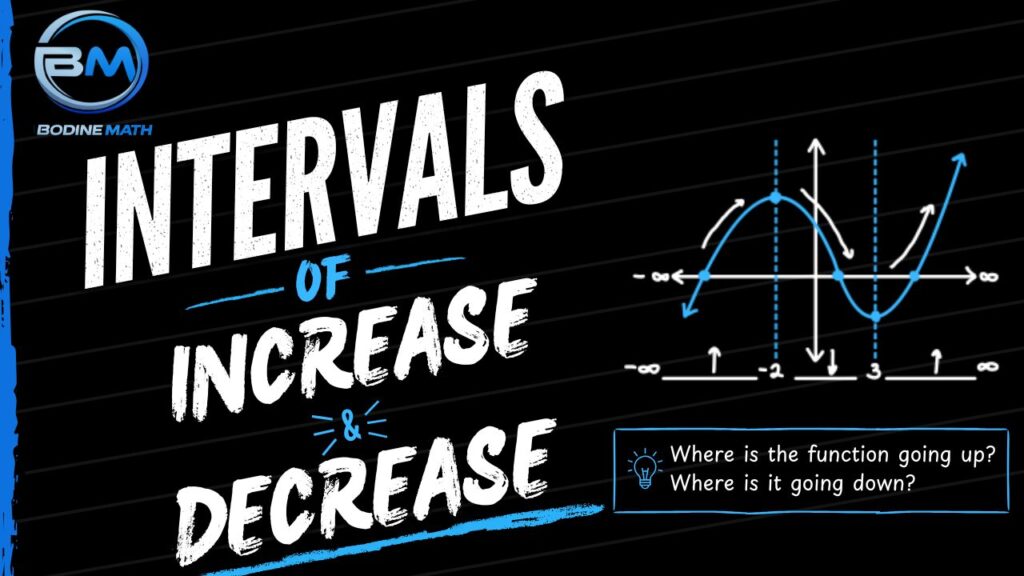
How can you tell if a function is increasing or decreasing? In this video, I show you a simple way to find intervals of increase and decrease by reading a graph from left to right. Instead of memorizing rules, you’ll learn how to recognize whether a function is moving upward or downward as the x-values […]
Squaring a Binomial: Why There’s a Middle Term
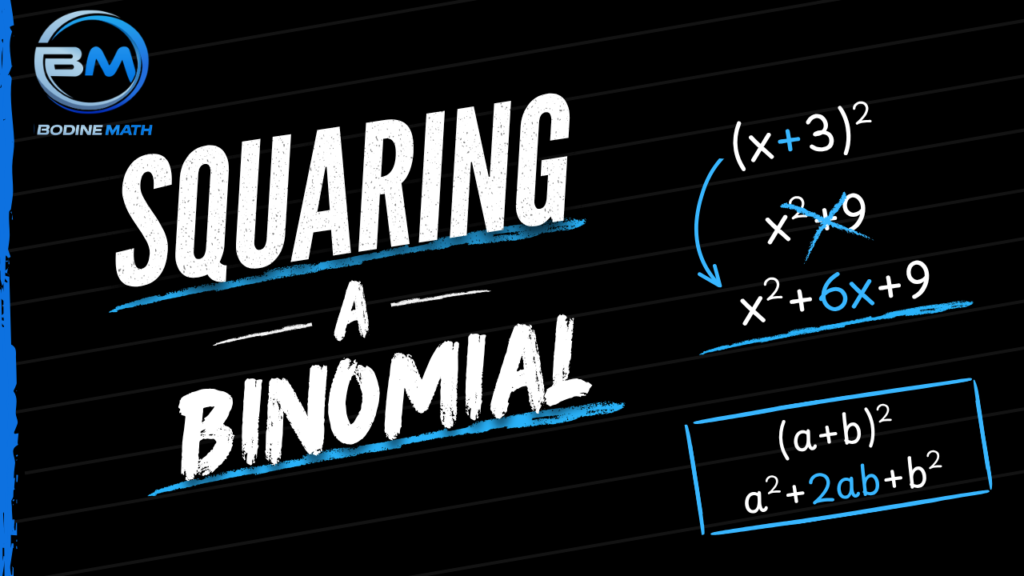
Why doesn’t (a+b)²+bx+c equal a²+b² ? In this video, I explain where the middle term comes from when squaring a binomial and why so many students make this common mistake. Instead of just memorizing a formula, you’ll see the logic behind the expansion and understand why the result includes the 2ab term. You’ll learn: • […]
Why Does Anything to the Zero Power Equal 1?
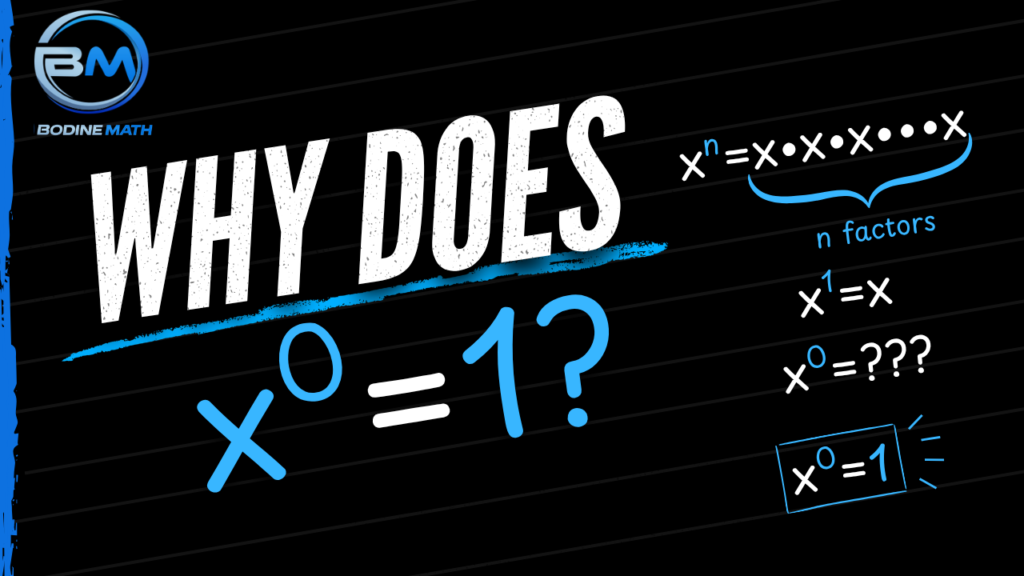
Have you ever wondered why anything raised to the zero power equals 1? Many students memorize the rule x^0 = 1, but few understand where it comes from. In this video, we’ll discover the pattern behind exponents and see why the zero exponent rule isn’t something you have to memorize—it actually makes perfect mathematical sense. […]
3 Variable Systems: Turn It Into a 2 Variable System
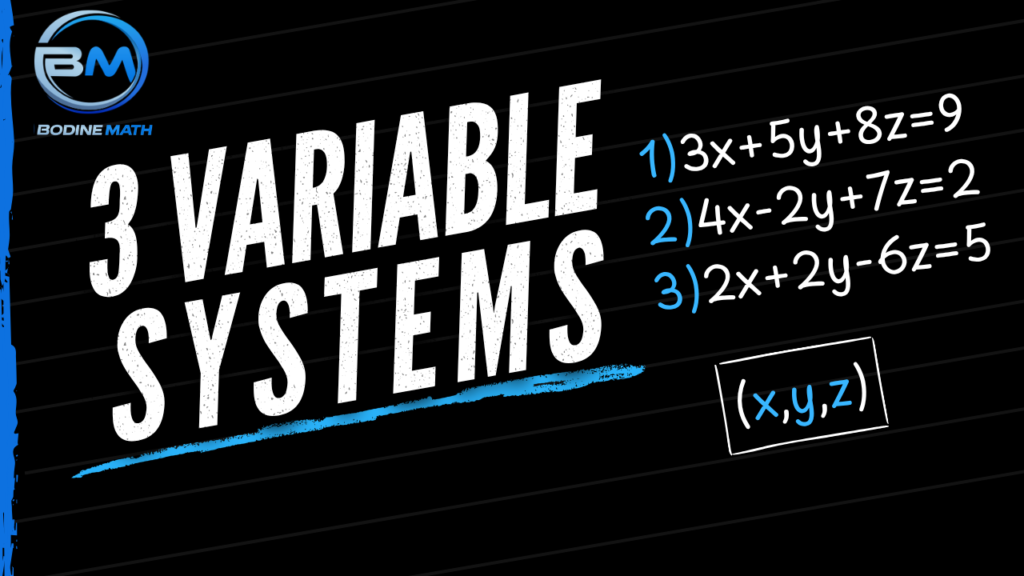
In this video, you’ll learn how to solve systems of equations with three variables using a simple organizational trick. Three variable systems can look intimidating but once the system becomes a standard two-variable system, the solution becomes much easier to find. In this lesson you’ll learn: • How to organize a 3 variable system • […]
Function Composition: Feed the Machines!
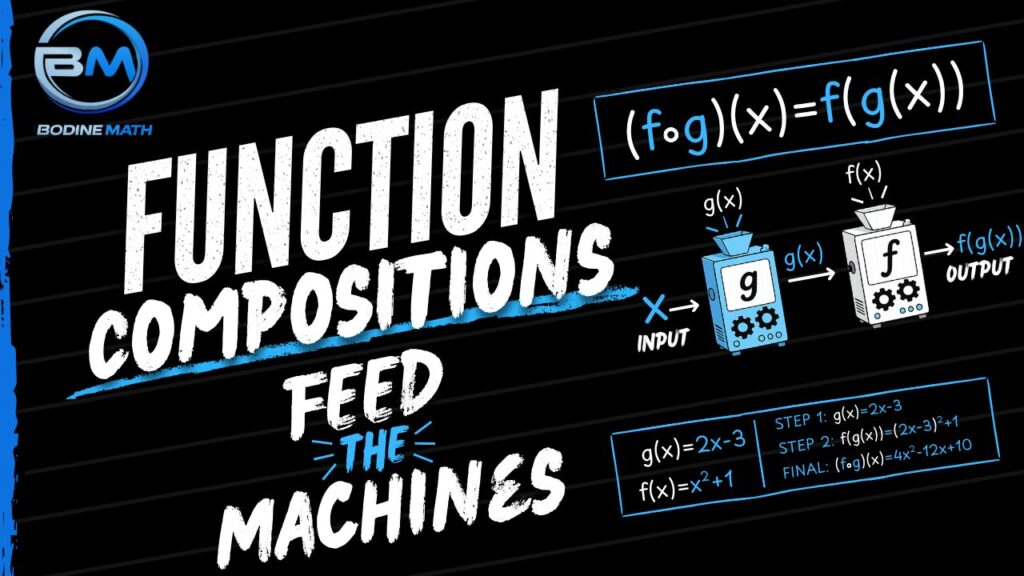
Function composition becomes much easier when you think of functions as machines. In this video, you’ll learn how to solve function composition problems by “feeding” the output of one function into another function machine. Instead of memorizing formulas, you’ll learn a simple visual process that helps you understand what function composition is actually doing. In […]
Wait… Why Does 0! Equal 1?
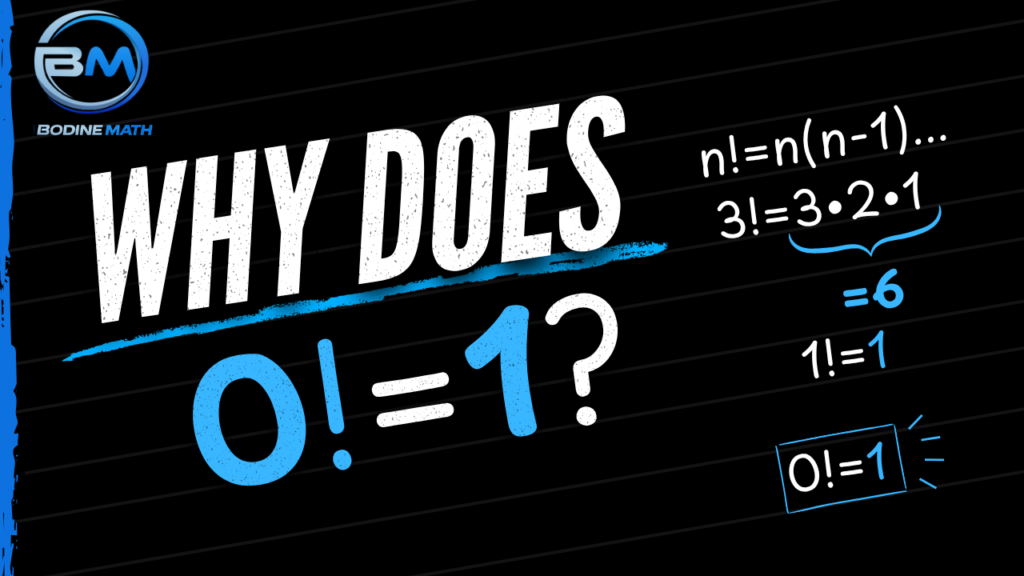
Why does 0! equal 1 instead of 0? At first glance, it seems like 0! should be 0, but factorials are about more than just multiplication. In this video, I explain the meaning of a factorial and show why there is exactly one way to arrange zero objects, which leads to the surprising result that […]
Factoring Trinomials When the Leading Coefficient is not 1
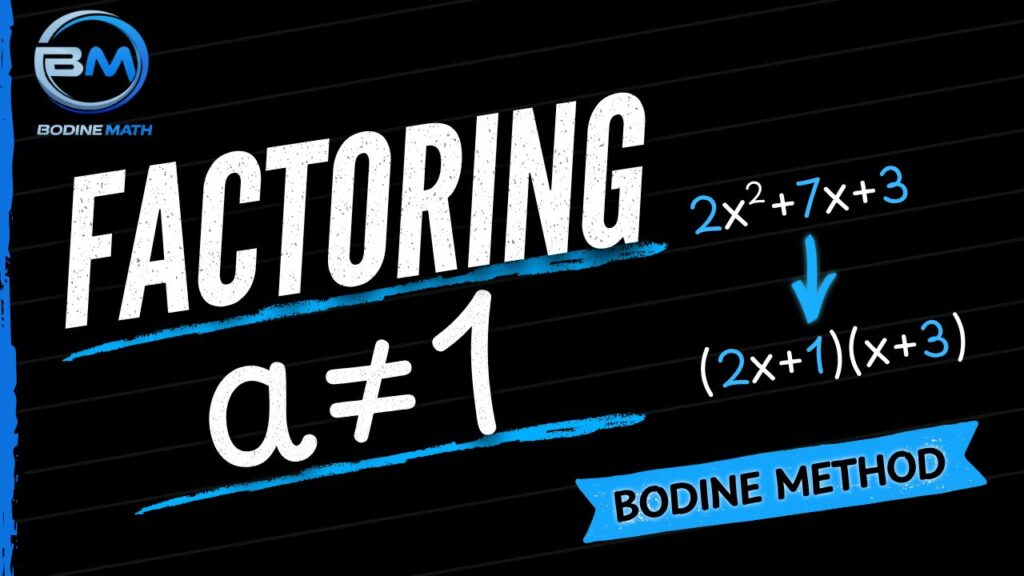
In this video, I show you how to factor trinomials when the leading coefficient isn’t 1 using the Bodine Method. Many students get stuck when the coefficient of x 2 is greater than 1, but this approach breaks the process into simple, logical steps that are easy to follow. You’ll learn: How to identify the […]